Ten years later, Uganda’s education story is still being written
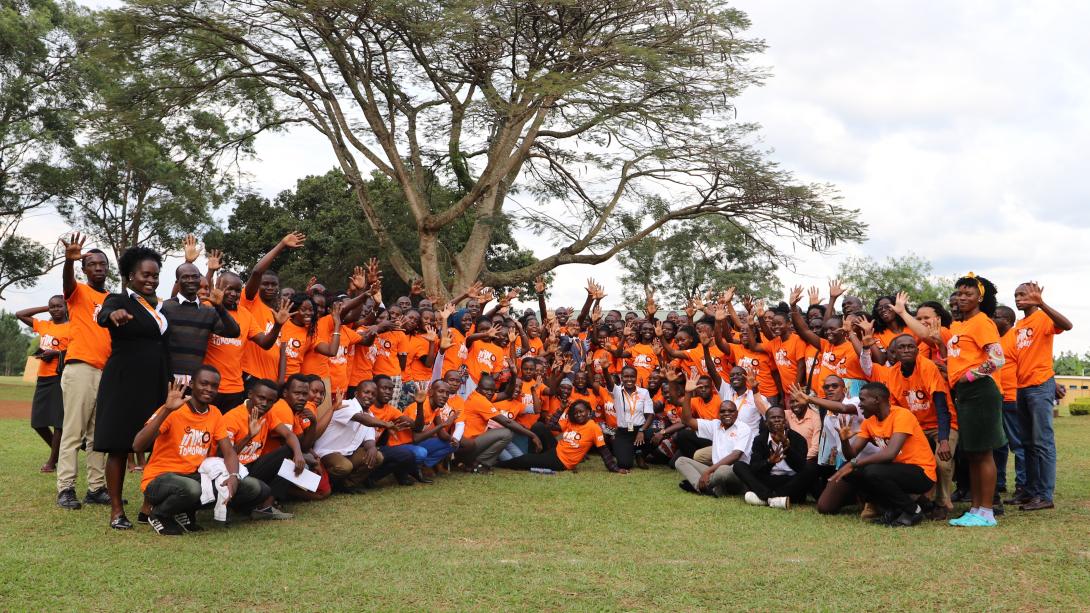
Ten years ago, Teach For Uganda began with a simple but demanding belief: Every child, regardless of where they are born, deserves the chance to learn, lead, and build a life of dignity.
That belief has carried us into classrooms where hope is both fragile and fierce. It has taken us to rural schools where a single committed teacher can change the rhythm of an entire classroom. It has brought us into communities where parents still believe in education, even when poverty, distance, limited materials, and weak learning outcomes threaten to close the door on their children’s future.
A decade later, we have learned that access to school is only the beginning. The deeper question is whether learners are actually learning.
Uganda’s education story is marked by a difficult paradox. The country has made important progress in expanding access to schooling, yet access has not consistently translated into learning, progression, or completion, especially for children in underserved public schools. Today, 82% of children in Uganda at late primary age are not proficient in reading, adjusted for out-of-school children. Many learners also continue to struggle with early-grade numeracy, with 52.2% unable to do Primary Two-level mathematics.
At the same time, national data shows that primary net enrolment fell from 78% in 2015 to 73% in 2021, while the proportion of 6 to 12-year-olds who had never been to school rose from 8% to 15%. Even more worrying, the percentage of 14-year-olds who had reached Grade 7 dropped from 13% in 2020 to 10% in 2024. This is the problem Teach For Uganda was built to confront: Children must not only enter school, they must stay, learn, progress, and build the foundational skills they need to shape their futures.
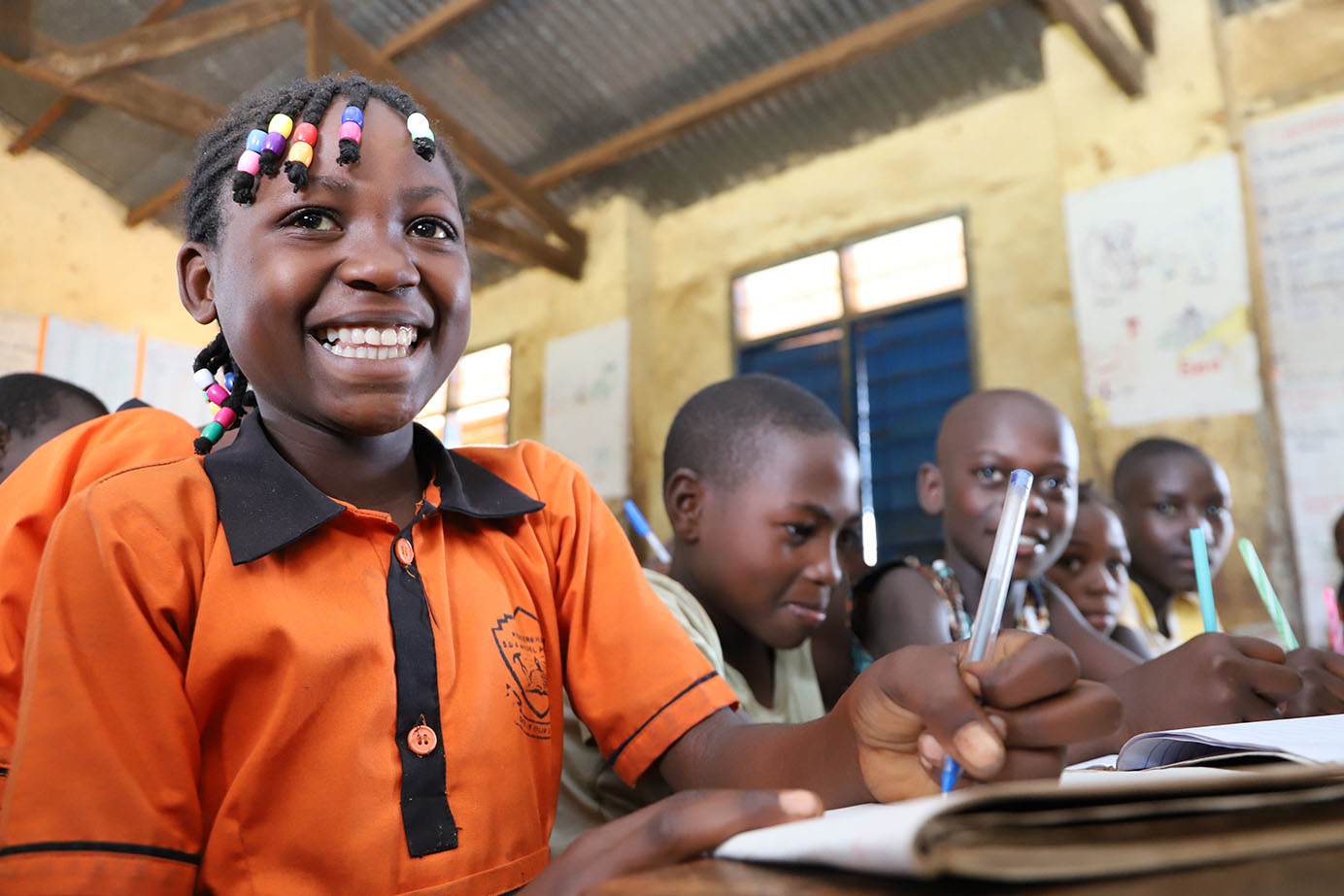 Behind every one of those figures is a learner whose future becomes more uncertain. When a child drops out before mastering basic skills, the cost follows them into adolescence, work, family life, and citizenship. It shapes whether they can read instructions, manage money, access information, participate confidently in society, or imagine themselves as leaders.
A learner who can read can keep learning beyond the classroom. A learner who can count can reason, compare, solve, and make decisions. A learner who has confidence in both begins to see the world not as something happening to them, but as something they can understand and shape.
This is where Teach For Uganda has placed its energy over the past decade.
We have recruited, trained, and supported young Ugandan leaders to serve as Fellows in underserved schools. We have worked across districts and school communities, supporting learners in foundational literacy and numeracy, strengthening classroom practice, engaging parents and communities, and building a movement of alumni who continue to serve beyond the Fellowship.
Our approach has never been only about placing teachers in classrooms. It has been about developing leaders through classrooms.
Over the years, our Fellows have learned that meaningful change is not delivered from a distance. It is built through daily presence, lesson by lesson, learner by learner. It is built through assessment, reflection, coaching, adaptation, and the quiet discipline of showing up. It is built when a Fellow notices that a learner cannot recognise letter sounds, adjusts instruction, follows up with the family, and creates a classroom where that learner is no longer invisible.
This is one of the most important lessons of our first decade: Learning improves when teaching becomes intentional, data-informed, and rooted in the real needs of learners.
We have seen learners who could barely read begin to decode words, then sentences, then stories. We have seen children who feared numbers begin to solve problems with confidence. We have seen classrooms become more participatory. We have seen school leaders respond when Fellows bring evidence, energy, and practical solutions. We have seen communities become stronger partners in learning when they are invited into the work with respect.
We have also learned that what works must keep evolving.
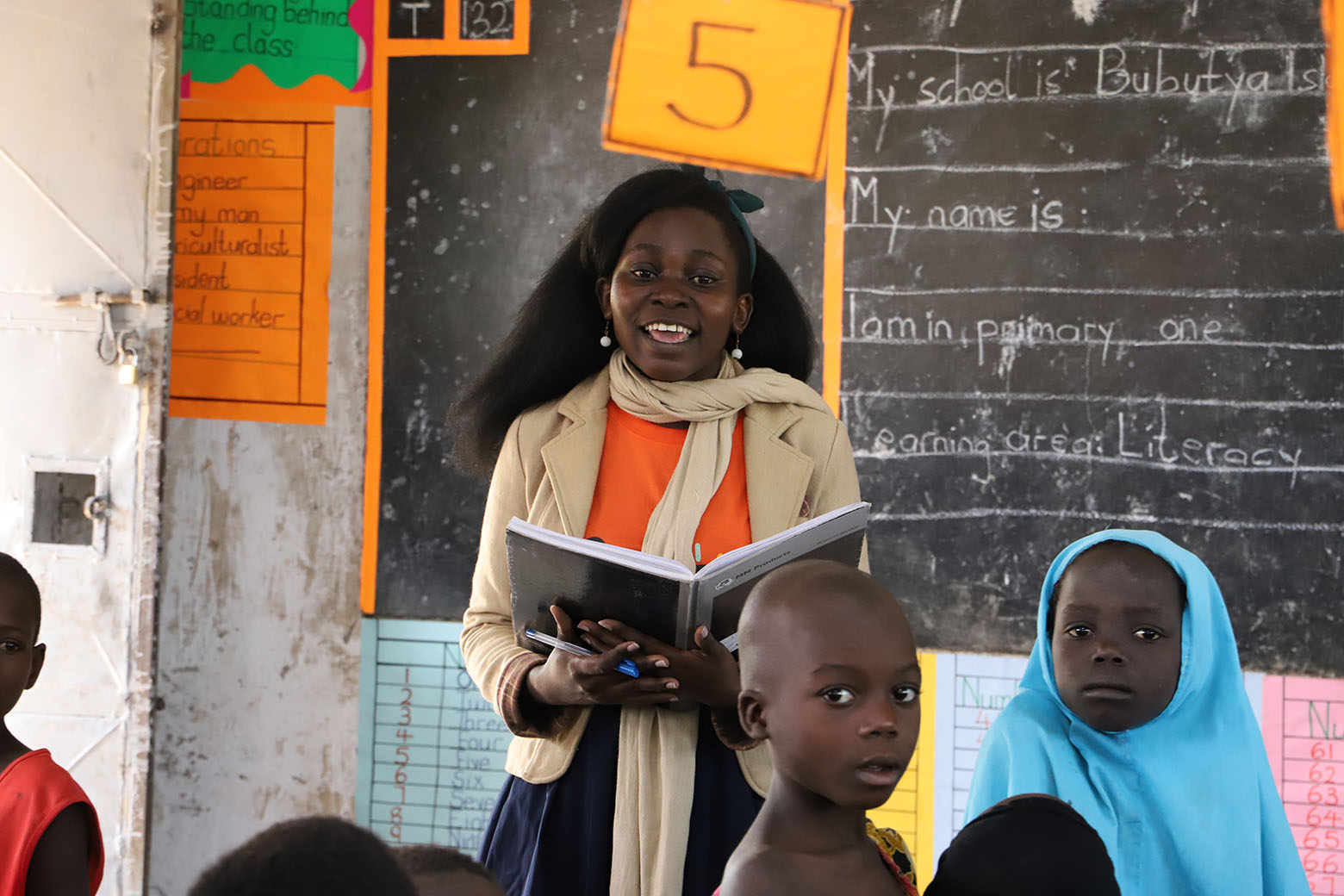 In our early years, much of our work focused on addressing foundational gaps in primary schools. That work remains urgent. But the needs of Uganda’s learners are changing, and so must our response. As learners grow, the system must not only help them read and count; it must also prepare them to think critically, solve problems, transition successfully, and participate in a future shaped by science, technology, climate change, enterprise, and innovation.
This is why our next decade must deepen the foundations while widening the pathways.
We are expanding our focus from foundational learning into broader education leadership, including STEM, secondary school transitions, alumni leadership, community-rooted innovation, and stronger partnerships that connect classroom change to systems change. We are learning from what has worked, naming what has not worked, and adapting with humility.
Some lessons have been clear:
The learner must remain at the centre. Programs succeed when they respond to the child in front of the teacher, not only the policy on paper.
Teachers need support, not blame. A committed adult in a classroom can change learning outcomes, but only when they are trained, coached, encouraged, and equipped.
Communities matter. Learning does not begin and end at the school gate. Parents, caregivers, local leaders, and school management structures all shape whether learners stay, learn, and thrive.
Data must be used for action. Numbers should not sit in reports. They should help us know who is being left behind, what support is needed, and whether our approaches are working.
Partnership is not optional. Uganda’s education challenge is too large for any one organisation to solve alone.
As Teach For Uganda marks ten years, we are not simply celebrating longevity. We are celebrating evidence, resilience, and possibility. We are celebrating the Fellows who choose to serve. The learners who keep trying. The school leaders who open their doors. The communities that trust us. The partners and donors who believe that classroom-level leadership could become a pathway to national transformation.
As we celebrate this milestone, we know our work is not complete, and we continue to look ahead with urgency.
Too many learners still sit in classrooms without enough books. Too many struggle to read with understanding. Too many lack the basic numeracy skills that allow them to progress confidently. Too many drop out before school has given them the tools they need to build a secure future.
Ten years have taught us that change is possible. Not easy. Not instant. But possible. And we invite you to stand with us in this next chapter.
Because when a learner reads, a future opens.
When a learner counts, a future strengthens.
And when a learner is given the right support, Uganda moves closer to the future it deserves.