

NEWTT
New Way for New Talents in Teaching
New Way for New Talents in Teaching (NEWTT) pioneered innovative diverse teacher pathways across five European Union countries, testing flexible models to recruit, prepare, and retain outstanding teachers in disadvantaged schools
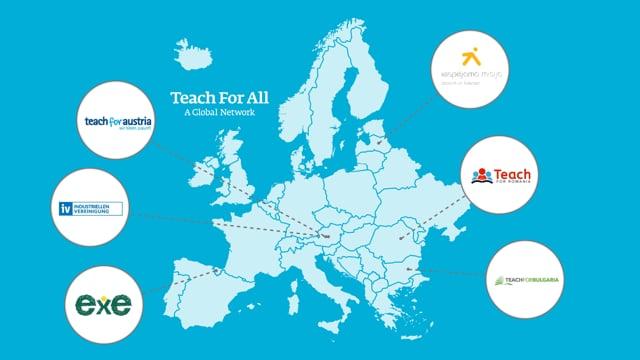
The New Way for New Talents in Teaching (NEWTT) project was co-funded by the European Commission through the Erasmus+ programme and was run by a consortium of 15 partners, including public authorities, researchers, and Teach For All network partners across the European Union.
NEWTT was implemented between 2016 and 2019 and aimed to test innovative diverse pathways into teaching to bring new talent into the profession and address pressing challenges in school education, including teacher shortages, teaching quality, and limited workforce diversity.




The NEWTT Consortium
Diverse pathways to teaching tested in this policy pilot shared several key elements:
- Proactive recruitment of candidates among promising university students and accomplished professionals with backgrounds in diverse fields
- Selective entry into the new training programme based on a predefined set of competencies
- Emphasis on practical, ongoing, on-the-job, school-based training which includes direct support in the classroom, coaching, mentorship, a comprehensive training and professional development curriculum, and more
- Priority placement in disadvantaged schools serving students from under-resourced communities
- Establishing and fostering teaching and learning communities among the teaching partners
A research team for the comparative evaluation of NEWTT at the University of Duisburg-Essen (Germany) conducted a two-year study of participants from diverse pathways into teaching from the five Teach For All network partner organisations. The study’s objective was to assess the effectiveness of diverse pathways into teaching, especially on the development of teacher knowledge and competence, and to provide recommendations to policymakers on how diverse pathways to teaching can complement traditional teacher training.
Reach
NEWTT was implemented across 5 European Union countries, namely Austria, Bulgaria, Latvia, Romania and the Basque region of Spain.
0
Applied
0
Schools
0
New Teacher
Trainees
0
Offers Given
0
Initial Training
0
In-service Training


To evaluate the impact of NEWTT’s diverse pathways, an independent research team from the University of Duisburg-Essen (Germany) conducted a comprehensive two-year comparative study. The evaluation tracked over 300 alternatively trained fellows alongside control groups of traditionally educated beginning teachers across the pilot countries. The findings included:
- Prior to entering the classroom, project participants developed as much or more pedagogical knowledge and competency as traditionally trained teachers in the comparison groups*
- During their two-year teaching commitment in less advantaged schools, project participants continued to develop their pedagogical knowledge and competency
- Project participants reported more opportunities and professional development compared to traditionally trained teachers
- The majority of school leaders welcomed participants and saw them as valuable resources within school systems. The majority of head teachers (85%) considered project participants as an important addition to their schools.
*Comparison groups were available for project participants in Bulgaria and Austria
Learn more about our work with European Union institutions
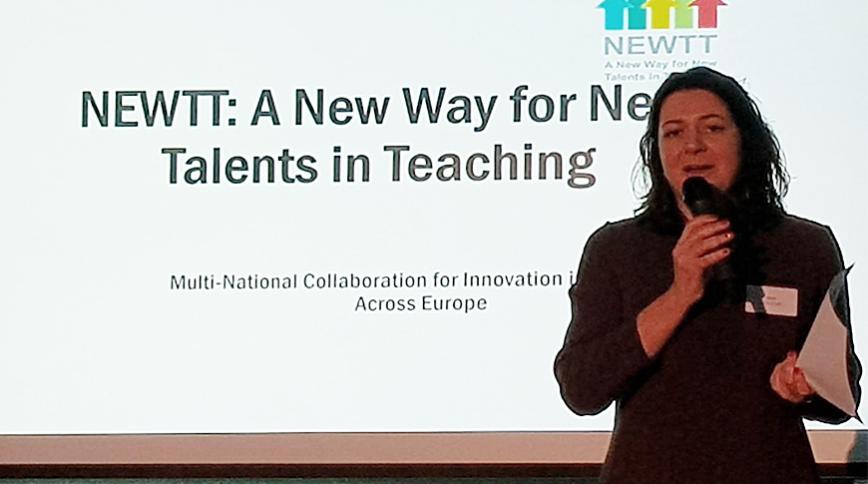


For periodic updates about Teach For All’s engagement with the multilateral community, subscribe to the Teach For All in the Global Discussion newsletter