From waste to wealth: How our students transformed a schoolyard into a canvas
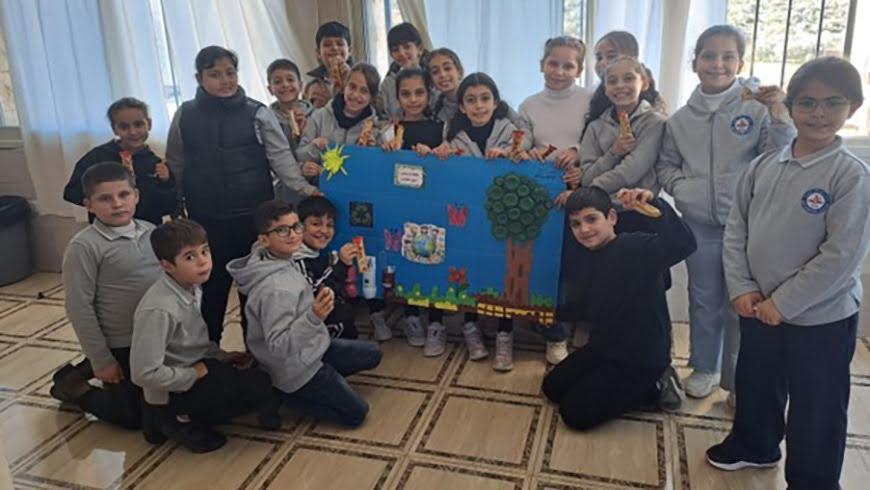
In the heart of Jenin, within the walls of Elaf Scientific Schools, something remarkable happened. It wasn’t just a science lesson; it was a shift in mindset. Have you ever looked at a messy schoolyard after recess and seen only a problem? My fourth-grade students and I decided to see something else: an opportunity.
When waste becomes treasure
Our “Recycling World” project began with a simple observation: the clutter left behind after recess. Instead of relying solely on traditional cleaning methods, we posed a question: How can we turn this waste into “wealth”?
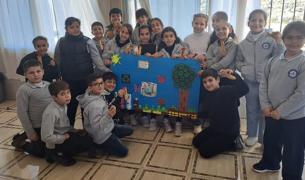
The answer wasn’t found in the trash bin but in the students’ imaginations. And so, our journey began: transforming plastic, paper, and glass into artistic murals and creative models that now decorate our school.
More than just an arts and crafts class
What makes this experience unique is that it wasn’t just a one-off activity; it was a practical application of modern educational approaches, including STEAM and Project-Based Learning (PBL).
The students progressed through several stages, developing patience and innovation along the way:
- Awareness and sorting: Students designed their own specialized bins to collect and sort materials at the point of disposal.
- Applied creativity: Egg cartons were transformed into colorful flower bouquets, while used metal and plastic containers became elegant planters.
- A collaborative masterpiece: These efforts culminated in a large artistic mural made entirely from recycled materials, bringing everyone’s work together and serving as a lasting reminder of our collective responsibility toward the planet.
An impact beyond cleanliness
When we talk about the results of “Recycling World,” we aren’t just talking about a clean schoolyard; we’re talking about:
- Character building: Strengthening students’ self-confidence and fostering a sense of pride in what they have created with their own hands.
- Active citizenship: Instilling a sense of individual and collective responsibility toward the environment and the school community.
- Life skills: Developing teamwork, critical thinking, and creative problem-solving skills.
A message to teachers and students
The “Recycling World” project demonstrated that meaningful change begins with student awareness and is nurtured by an empowering educational environment.
Throughout my journey at Elaf Scientific Schools, the steadfast support and encouragement of our students’ parents, along with their enthusiasm for the STEAM framework, played a pivotal role in the successful adoption of this approach across the school.
I am also deeply grateful to the Teach For Palestine team for the professional training they provided. Their highly skilled and dedicated experts demonstrated a profound understanding of STEAM methodology and effective pedagogical practices. Thanks to their guidance, we were able to develop the skills and knowledge needed to implement this approach effectively and inspire our fellow educators to embrace it.
Our teachers wholeheartedly welcomed the methodology and began integrating its techniques into their daily lessons, transforming classrooms into dynamic, interactive, and engaging learning environments.
Our message to you is simple: Don’t see the materials around you as mere waste; see them as the raw materials for your next masterpiece!
Now, we want to hear from you: What creative recycling ideas have you implemented in your own schools?