Teach For All’s Emergency Relief Fund: Ensuring EiE solutions are locally-led

You may have heard the term “polycrisis” being used to describe the world we live in today—a confluence of geopolitical conflicts, climate-driven disasters, and economic instability that pose unprecedented threats to communities globally. Teach For All network partners support children in extremely diverse contexts, ranging from highly fragile states grappling with acute humanitarian emergencies to relatively stable nations experiencing localized natural disasters or socio-economic volatilities.
In the face of this complexity, one critical need remains constant: access to quality education for every child. Globally, 87% of children attending primary and lower secondary school during emergencies do not meet minimum proficiency benchmarks. And when disasters strike, education is about more than just learning; it's a source of stability, a path to healing from trauma, and a vital catalyst for restoring hope and fostering the resilience and agency that will enable today’s students to take on the root causes of the emergencies they’ve experienced. Traditional Education in Emergencies (EiE) approaches that many large NGOs and UN agencies support—rehabilitating schools, distributing textbooks, and school feeding programs—are indeed critical investments, but we continue to see that these approaches don’t create the necessary changes at the pace required. Across the Teach For All network, we’ve seen that meaningfully changing outcomes for crisis-affected students requires collective leadership throughout the whole ecosystem around children—in schools, in governments, and in communities. Teach For All’s Education in Emergencies Initiative supports network partners to build this collective leadership while prioritising holistic outcomes in classrooms, strengthening formal education systems, and bridging the gap between development and humanitarian aid.
Throughout my career working in the humanitarian sector, I’ve also seen just how vital it is for EiE responses to be both timely and locally-led. Because our network partners have built deep relationships with families, schools, and community members, they are embedded in the local context and know the most effective ways to help after an emergency. We’ve seen time and time again that when a crisis hits, this proximity and trust is key. This is the core philosophy behind our Emergency Relief Fund—a nimble, rapid-response granting mechanism that puts resources directly into the hands of Teach For All network organizations working in partnership with crisis-impacted communities.
Our Emergency Relief Fund is designed to move quickly, directing resources to where they are needed most—in days, not months. This agility is paired with rigor: an independent selection committee of humanitarian professionals evaluates applications and provides strategic advice, and funding decisions are made within 72 hours. Importantly, this flexible fund also covers organizations’ core operating costs, preventing frontline responders from losing the ground they’ve gained when a sudden crisis hits. As such, Teach For All network partners are able to lead vital emergency education activities whilst simultaneously safeguarding their essential, long-term work in classrooms and communities.
The Impact: Protecting Progress and Fostering Collective Leadership
 This robust localized model has translated into powerful impact for network partners and the communities where they work. Throughout the last two years alone, our Emergency Relief Fund has provided $1.8m in catalytic grants to 19 crisis-affected partners, supporting the work of over 3,500 teachers, and maintaining educational continuity for over 115,000 students (plus thousands of families and community members). This funding has enabled network partners to navigate diverse emergencies, including the countless forgotten or unreported crises happening across the world. For example:
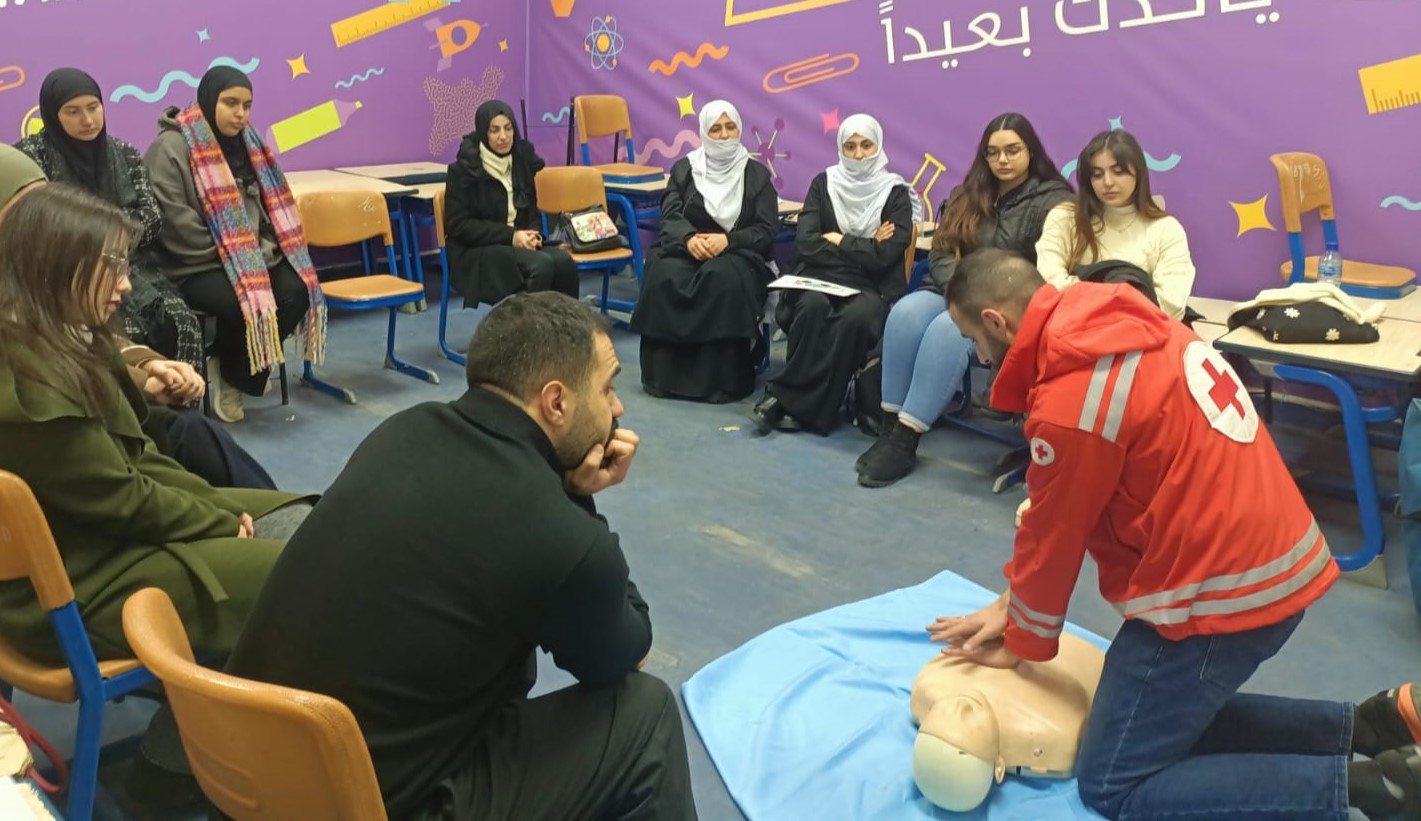
- War: In October 2023, escalating hostilities along Lebanon’s southern border forced over 1.2 million people to flee their homes, creating an urgent need for educational and psychosocial support. With an Emergency Relief Grant, Teach For Lebanon was able to support internally displaced children through trauma-informed pedagogy, psychological first aid training, and wellbeing interventions for teachers. Fellows actively engaged in school-led safety and evacuation drills to ensure readiness in volatile contexts, and several received first aid training delivered by the Lebanese Red Cross.
- Climate Crises: Following devastating nationwide floods in May 2024, an Emergency Relief Grant enabled Teach For Kenya to replace lost learning materials, provide psychosocial support to impacted children, distribute 2500 family care packages, and clean up damaged classrooms. They were able to restore critical sanitation services in some of the worst-hit schools, unblocking drains and reducing the risk of waterborne diseases. And by purchasing additional mobile data for their teachers, online learning and virtual catch-up classes were made possible.
- Unrest: In June 2024, amid heightened security threats and gang violence in Haiti, nearly 580,000 people were displaced. An Emergency Relief Grant grant enabled Anseye Pou Ayiti to strengthen their hyper-local approach and empower local civic leaders. They worked with social workers and psychologists to deliver first aid and trauma management sessions, enabling community members to identify signs of trauma in children and create safe spaces for healing.
Putting local leaders in the driver's seat of their own recovery ensures that children can access quality holistic learning and psychological support, despite the instability and unpredictability of their circumstances. In the midst of an emergency, local organizations have a critical need for financial support—yet their capacity to raise funds and their networks for doing so are often limited by the very crisis they urgently need to address. Teach For All’s Emergency Relief Fund enables network partners to access globally-sourced emergency funding quickly and flexibly, so they can focus on the critical work of ensuring children and communities are safe and learning can continue. Unlike most other crisis relief programs, 100% of contributions to our Emergency Fund go directly to our network partners—local organisations that deeply understand the communities where they work before a crisis hits, who implement and lead the relief activities, and who remain in these communities long after the global humanitarian ecosystem has moved on to the next emergency.
To support Teach For All partners facing crisis situations, visit our Giving Tuesday Donate page throughout the month of December to contribute to the Emergency Relief fund, or donate to any of the network’s 63 partners directly via their websites.